How Western New York Weather Causes Erosion Problems
Erosion isn't just caused by steep slopes or poor landscaping. In many cases, it's the weather itself that creates the conditions for soil loss. Throughout Western New York, property owners deal with a unique combination of snowmelt, spring rain, freeze-thaw cycles, and intense summer storms that can gradually wear away soil and destabilize landscapes.
Many homeowners first notice erosion as a small washout in a landscape bed or a muddy area near a slope. Over time, those minor issues can become damaged lawns, exposed roots, drainage problems, and even structural concerns around retaining walls, patios, or foundations.
Understanding how local weather contributes to erosion is the first step toward protecting your property.
In this guide, we'll explain how Western New York's climate creates erosion challenges, which areas of your property are most vulnerable, and what solutions can help prevent costly damage.
Why Western New York Is Especially Vulnerable to Erosion
Not every region experiences erosion the same way.
Western New York's climate creates a perfect combination of conditions that can move soil throughout the year.
Some of the biggest contributors include:
-
- Heavy spring snowmelt
- Frequent rainfall events
- Freeze-thaw cycles
- High-intensity summer storms
Individually, these conditions may seem manageable. Combined, they can gradually weaken slopes, expose soil, and accelerate runoff across a property.
That's why erosion is such a common concern for homeowners throughout Western New York.
Spring Snowmelt Creates Massive Amounts of Runoff
One of the most overlooked causes of erosion is snowmelt.
During late winter and early spring, large volumes of water are released over a relatively short period of time.
Unlike a typical rainfall event, snowmelt can:
-
- Saturate the soil for extended periods
- Overwhelm existing drainage systems
- Create runoff even when no rain is falling
- Transport loose soil downhill
Properties in areas like Orchard Park, East Aurora, and Elma often experience erosion during spring thaw before landscaping has fully emerged from winter dormancy.
Without proper stabilization, soil can begin moving long before homeowners realize there's a problem.
Spring Rainfall Often Makes Existing Problems Worse
Following snowmelt, Western New York frequently experiences extended periods of spring rainfall.
At this point, the soil is often already saturated.
This combination creates ideal conditions for:
-
- Washouts on slopes
- Mud accumulation
- Drainage failures
- Loss of topsoil
Properties with poor grading often experience the greatest damage because water naturally concentrates in low areas.
This is why many erosion issues are linked directly to inadequate drainage systems rather than the slope itself.
Freeze-Thaw Cycles Gradually Weaken Slopes
One weather pattern that many property owners overlook is the freeze-thaw cycle.
Throughout late fall, winter, and early spring, temperatures frequently move above and below freezing.
As water freezes, it expands within the soil. When it thaws, the soil loosens.
Over time this process can:
-
- Destabilize slopes
- Create surface cracking
- Loosen landscape materials
- Increase erosion potential during rain events
Even slopes that appear stable can become more vulnerable after multiple freeze-thaw cycles.
This is particularly common on newly graded properties where vegetation has not fully established.
Summer Storms Can Cause Sudden Erosion Damage
While spring creates long-term saturation issues, summer often brings intense rainfall events.
A single thunderstorm can produce enough runoff to cause significant damage.
Heavy summer storms frequently lead to:
-
- Washed-out landscape beds
- Gullies forming on slopes
- Erosion around foundations
- Damage to newly seeded areas
This is one reason many construction projects incorporate erosion control measures before major grading activities begin.
Protecting exposed soil before severe weather arrives is often much easier than repairing damage afterward.
Properties With Slopes Face Greater Risk
Not all properties experience erosion at the same rate.
Sites with elevation changes are generally more vulnerable because water naturally accelerates as it moves downhill.
Common problem areas include:
-
- Backyard hillsides
- Side-yard slopes
- Drainage swales
- Areas near retaining walls
For these locations, erosion control often requires a combination of vegetation, drainage improvements, and structural solutions.
Ignoring early warning signs usually allows the problem to grow over time.
Vegetation Is One of the Best Natural Defenses Against Erosion
One reason erosion becomes worse after construction projects is the loss of vegetation.
Grass, trees, and shrubs help stabilize soil through their root systems.
Effective stabilization methods often include:
The sooner vegetation becomes established, the more resistant the property becomes to weather-related erosion.
Some Erosion Problems Require Structural Solutions
For moderate to severe slopes, vegetation alone may not provide enough protection.
In these situations, structural improvements may be necessary.
These can include:
-
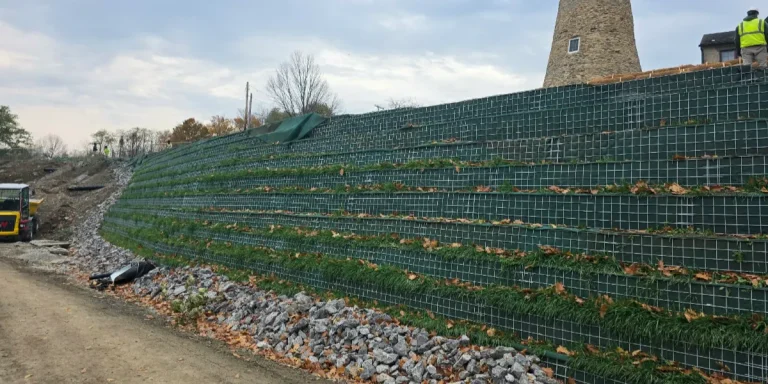
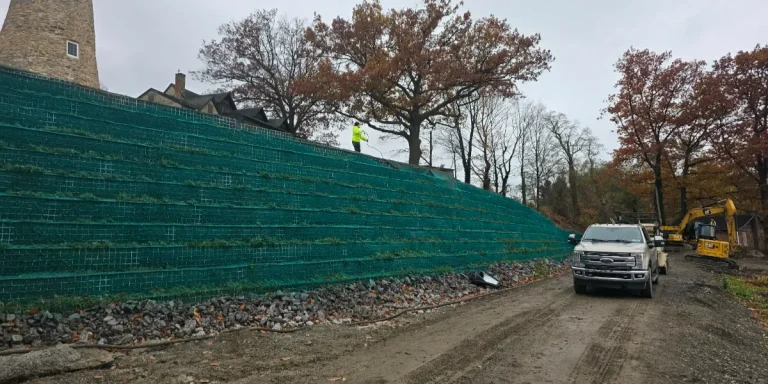
- Retaining walls
- Terracing systems
- Engineered drainage improvements
- Slope stabilization measures
The right solution depends on how water moves across the property and the severity of the erosion.
Addressing these issues early is typically far less expensive than rebuilding damaged areas later.
The Most Common Weather-Related Erosion Problems We See
Throughout Buffalo, Clarence, and Williamsville, we regularly encounter erosion problems caused by recurring weather patterns.
Common examples include:
-
- Mulch washing out of landscape beds
- Soil loss around foundations
- Lawn damage after spring thaw
- Erosion around newly installed landscaping
Most of these issues can be reduced or eliminated through proper planning and water management.
The sooner the cause is identified, the easier the solution usually becomes.
Planning for Erosion Before It Starts
The best erosion control strategy is proactive rather than reactive.
Before problems develop, property owners should evaluate:
-
- How water moves across the site
- Areas where runoff concentrates
- Existing drainage limitations
- Long-term landscape goals
The landscape visualizer can help property owners explore potential improvements, while the Landscape Pricing Guide provides helpful information on budgeting for drainage and erosion control projects.
Planning ahead is often the difference between a small improvement project and a major repair.
Why choose Buffalo Landscaping
Weather-related erosion problems require more than simply replacing lost soil. They require understanding how water moves across a property and implementing solutions that perform through all four seasons.
At Buffalo Landscaping, we help homeowners throughout Western New York protect their properties from erosion, drainage issues, and landscape damage.
-
- Experience with drainage, grading, and erosion control projects
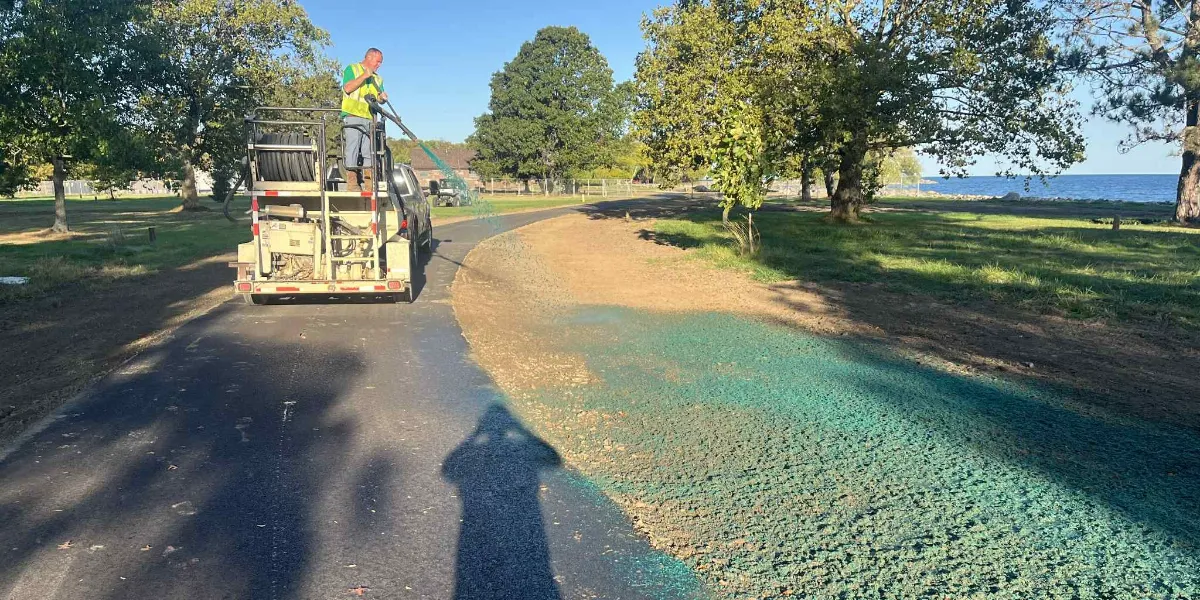
- Complete hydroseeding, planting, and stabilization services
- Retaining wall and slope management expertise
- New York State Certified Women's Business Enterprise (WBE)
- Planning support through our Landscape Pricing Guide and visualizer
Our goal is simple, create landscapes that can withstand Western New York weather while protecting your property investment.
Serving Buffalo and surrounding communities
Buffalo Landscaping proudly provides erosion control and landscaping services throughout:
-
- Buffalo
- Amherst
- Clarence
- Orchard Park
- Williamsville
- Cheektowaga
- Lancaster
- Tonawanda
- West Seneca
We understand how Western New York's climate affects landscapes and what it takes to keep properties protected year-round.
Protect Your Property From Weather-Related Erosion
If you're seeing washouts, muddy slopes, exposed roots, or recurring drainage issues, Western New York weather may be accelerating the problem.
At Buffalo Landscaping, we evaluate site conditions, identify erosion risks, and recommend practical solutions that provide long-term protection.
Whether you're dealing with an existing erosion issue or planning improvements on a sloped property, the first step is understanding how water is affecting your landscape.
Request an estimate today and get a professional evaluation of your property's erosion risks.