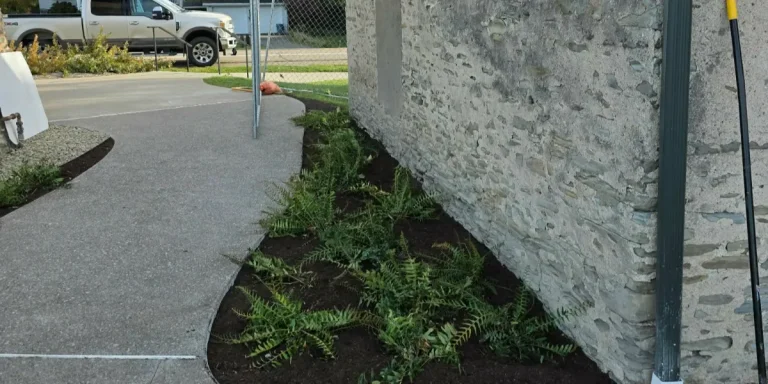
When Should Erosion Control Be Installed on a Site?
One of the biggest mistakes made on construction projects is waiting too long to think about erosion control. Many property owners and builders focus on grading, excavation, utilities, and structures first, only to discover after the next heavy rain that valuable soil has already been washed away.
Across Western New York, erosion can become a serious issue on both residential and commercial construction sites. Exposed soil, newly created slopes, and disturbed ground are highly vulnerable to rainfall and runoff, especially during spring and fall construction seasons.
The reality is that erosion control should not be treated as the final step of a project. In most cases, it should be planned and installed before significant earthwork begins.
In this guide, we'll explain when erosion control should be installed on a construction site, why timing matters, and how proper planning can prevent costly repairs and project delays.
Erosion Starts the Moment Soil Is Disturbed
Many people assume erosion becomes a concern after construction is complete.
In reality, erosion often begins as soon as vegetation is removed and soil is exposed.
Construction activities that increase erosion risk include:
-
- Land clearing and vegetation removal
- Excavation work
- Rough grading operations
- Utility trenching and installation
Once soil is exposed, even a moderate rain event can carry sediment across the property.
That's why erosion control planning should begin before site work starts, not after problems appear.
The Best Time to Install Erosion Control Is Before Major Earthwork Begins
For most projects, erosion control measures should be installed during the early stages of site preparation.
The goal is to protect disturbed soil before runoff has an opportunity to create problems.
Early erosion control planning helps:
-
- Reduce soil loss throughout construction
- Protect neighboring properties
- Prevent sediment from entering storm systems
- Reduce costly repairs later in the project
Waiting until grading is complete often means erosion has already started affecting the site.
Proactive installation is almost always more effective than reactive repairs.
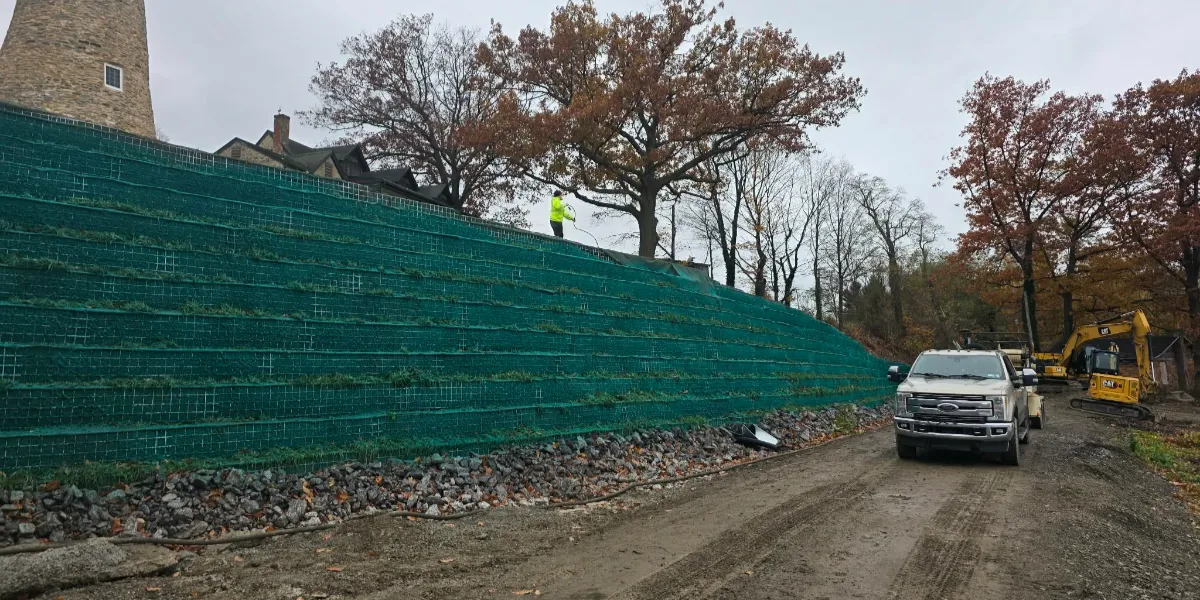
Sloped Sites Require Erosion Control Even Earlier
Properties with significant elevation changes face greater erosion risks.
On sloped construction sites in areas like Orchard Park, East Aurora, and Clarence, water naturally accelerates as it moves downhill.
This increases the potential for:
-
- Soil washouts
- Slope instability
- Damage to newly graded areas
- Sediment movement across the site
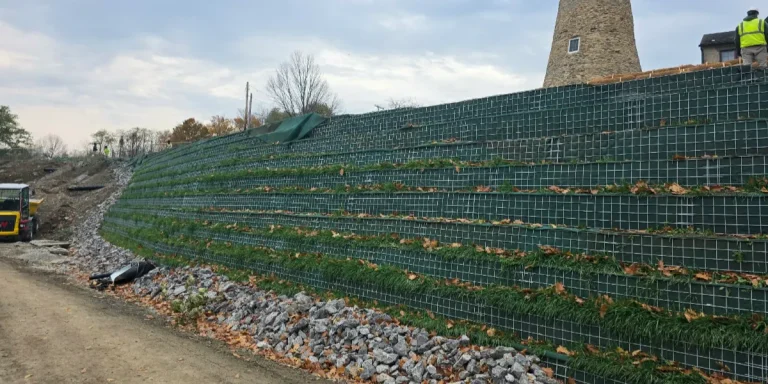
For these projects, erosion control often needs to be incorporated into the grading process itself rather than added later.
This is especially important when the final landscape plan includes steep slopes or elevated building pads.
Construction Site Drainage Should Be Evaluated Early
Many erosion issues are actually water management problems.
If runoff is concentrated into a single area, even relatively flat sites can experience significant soil loss.
Before construction progresses too far, it's important to evaluate:
-
- Natural drainage patterns
- Areas where water will collect
- Roof and downspout discharge locations
- Potential low spots created during grading
In many cases, temporary or permanent drainage solutions should be installed alongside erosion control measures to manage runoff effectively.
Controlling water is often the key to controlling erosion.
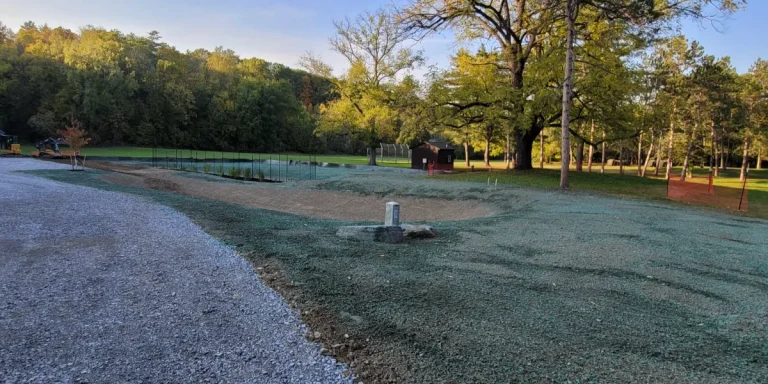
Hydroseeding Is Often Installed During Final Stabilization
Once major grading activities are complete, permanent stabilization becomes the priority.
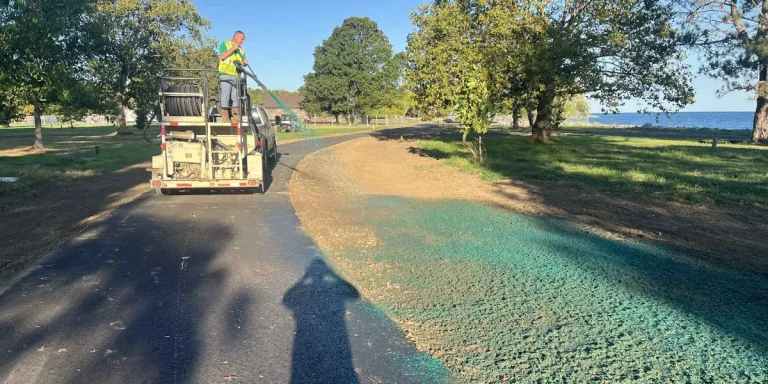
This is where hydroseeding is commonly used.
Hydroseeding helps:
-
- Establish vegetation quickly
- Protect exposed soil from rainfall impact
- Reduce runoff velocity
- Create long-term slope stabilization
Many commercial developments, residential subdivisions, and new construction homes throughout Western New York rely on hydroseeding as part of their final erosion control strategy.
The sooner vegetation becomes established, the sooner the site becomes naturally protected.
Erosion Control Is Critical for New Construction Homes
New residential construction projects often involve significant soil disturbance around the home.
Common problem areas include:
-
- Newly graded side yards
- Backyard slopes
- Drainage swales
- Areas around foundation backfill
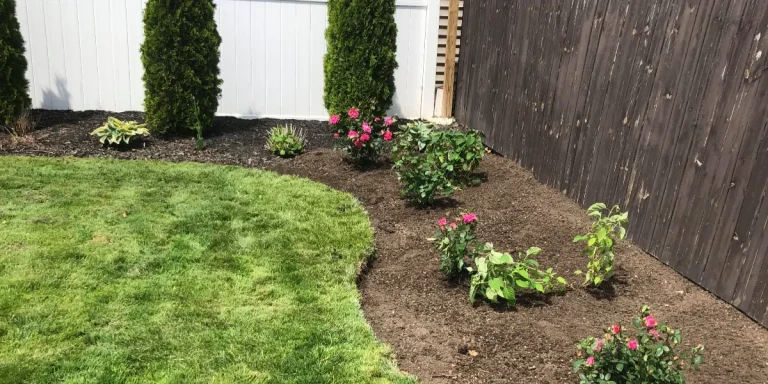
Many homeowners focus on installing a lawn after construction, but erosion control should be part of the process from the beginning.
Combining grading improvements, new lawn installation, and erosion control measures often produces far better long-term results.
Commercial Projects Often Have Additional Requirements
Commercial construction sites frequently face stricter erosion and sediment control requirements.
This is especially true for:
-
- Retail developments
- Industrial facilities
- Office complexes
- Multi-family housing projects
Large disturbed areas create greater runoff potential, making proper erosion control planning even more important.
Many of these projects combine erosion control with broader commercial landscaping solutions to create long-term site stability.
The Most Common Erosion Control Mistakes We See
Across Buffalo, Lancaster, and Amherst construction projects, we regularly encounter preventable erosion problems.
Common mistakes include:
-
- Waiting until construction is nearly complete
- Ignoring drainage patterns during grading
- Leaving exposed soil unprotected for extended periods
- Failing to stabilize slopes quickly
In most cases, these issues result in additional costs, project delays, and unnecessary site repairs.
Addressing erosion control early almost always saves money in the long run.
How Erosion Control Fits Into the Overall Site Plan
The most successful projects treat erosion control as part of the overall construction strategy, not a separate task.
Planning often includes:
-
- Grading and drainage improvements
- Tree planting and vegetation plans
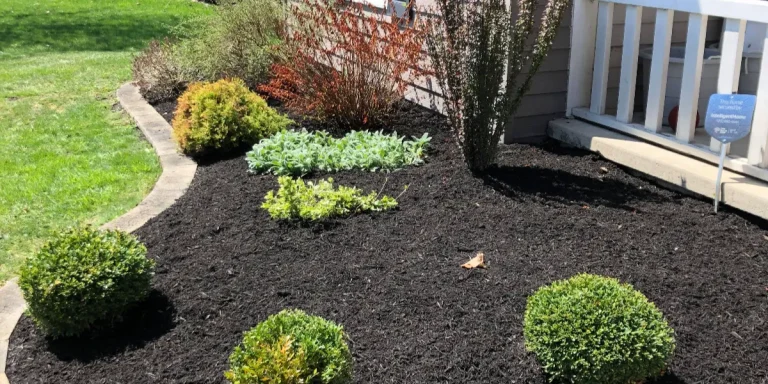
- Landscape bed installation
- Hardscape features that manage water movement
Using the landscape visualizer can help property owners understand how final grading, drainage, and landscaping elements will work together once construction is complete.
A comprehensive plan almost always performs better than isolated solutions.
Planning the Investment Before Construction Starts
The most cost-effective time to address erosion control is before the site is fully disturbed.
That includes evaluating:
-
- The amount of grading required
- Slope conditions
- Drainage concerns
- Long-term landscape goals
Our Landscape Pricing Guide helps property owners understand the investment associated with grading, drainage, hydroseeding, and stabilization measures.
Proper planning helps avoid unexpected costs later in the project.
Why choose Buffalo Landscaping
Effective erosion control begins long before a project is finished. It requires planning, proper site evaluation, and solutions that address how water moves across the property.
At Buffalo Landscaping, we help homeowners, builders, and developers throughout Western New York protect construction sites from costly erosion damage.
-
- Experience with residential and commercial construction projects
- Complete drainage, grading, hydroseeding, and erosion control services
- Long-term stabilization strategies tailored to site conditions
- New York State Certified Women's Business Enterprise (WBE)
- Planning support through our Landscape Pricing Guide and visualizer
Our goal is simple, protect your site from erosion before it becomes an expensive problem.
Serving Buffalo and surrounding communities
Buffalo Landscaping proudly provides erosion control and site stabilization services throughout:
-
- Buffalo
- Amherst
- Clarence
- Orchard Park
- Williamsville
- Cheektowaga
- Lancaster
- Tonawanda
- West Seneca
We understand the soil, weather, and construction challenges that affect sites throughout Western New York.
Protect Your Construction Site Before Problems Start
If you're planning a construction project, erosion control should be part of the conversation from day one.
At Buffalo Landscaping, we evaluate site conditions, identify erosion risks, and develop practical solutions that protect your investment throughout construction and beyond.
Whether you're building a new home, commercial property, or large development, the best time to address erosion control is before the first major rainstorm arrives.
Request an estimate today and create an erosion control plan for your construction site.