Best Trees for Commercial Properties in Western New York
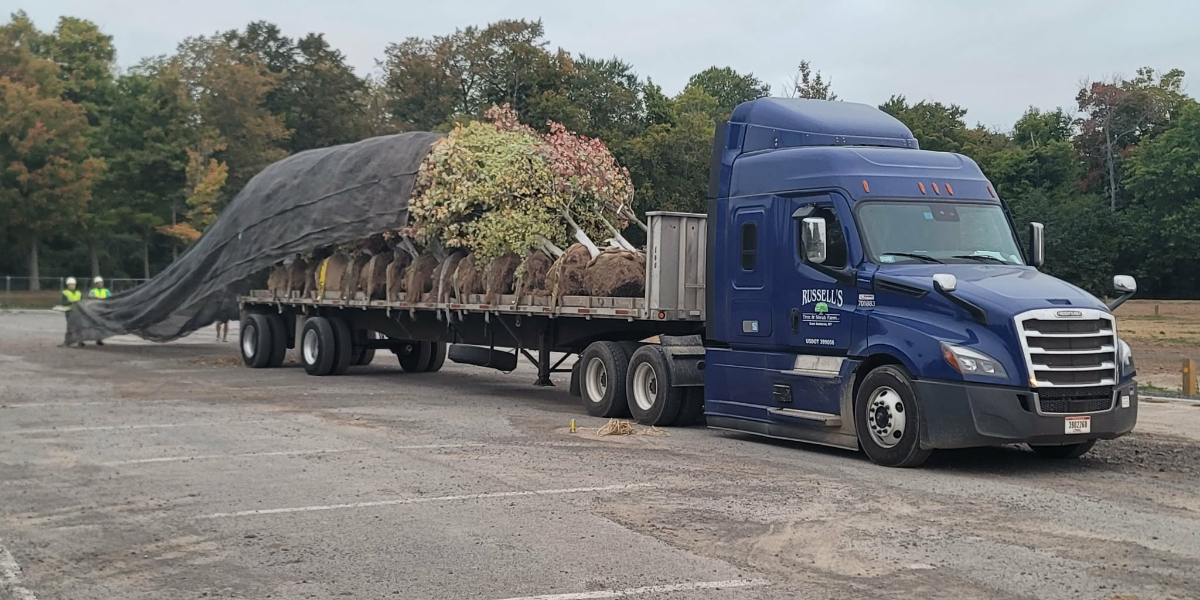
Commercial properties across Western New York often need trees that look good, hold up to the climate, and don’t require constant maintenance. Whether it’s an office complex in Amherst, a retail property in Cheektowaga, or a multi-unit site in West Seneca, the goal is usually the same, clean, professional landscaping that stays that way without ongoing issues.
The challenge is that not all trees are suited for commercial environments. Some grow too fast, drop excessive debris, or struggle with local soil and weather conditions.
If you want a landscape that performs long term, it comes down to choosing the right tree species, planting them properly, and integrating them into a broader landscaping plan.
In this guide, we’ll break down the best low-maintenance tree options for commercial properties in Western New York, common mistakes to avoid, and how to plan installations that actually last.
What Makes a Tree “Low Maintenance” for Commercial Properties
Not all trees are created equal when it comes to long-term upkeep.
For commercial sites, low maintenance usually means:
-
- Slow to moderate growth rate to reduce pruning needs
- Minimal leaf, fruit, or seed drop to keep areas clean
- Strong structure that holds up in wind and snow
- Adaptability to local soil and climate
When these factors are considered, trees require less attention while still providing shade, structure, and visual appeal.
On commercial properties, this directly impacts maintenance costs and overall appearance.
Why Tree Selection Matters More on Commercial Sites
Tree selection on commercial properties is different from residential landscaping.
The stakes are higher because:
-
- High-traffic areas need to stay clean and safe
- Visibility and sightlines must be maintained
- Root systems can impact sidewalks, curbs, and parking lots
- Maintenance crews need predictable, manageable growth
This is why proper planning through landscape design services is critical before installing any trees.
Choosing the wrong species often leads to long-term problems that are expensive to fix.
Best Low Maintenance Trees for Western New York Commercial Properties
Certain tree species perform consistently well across Buffalo, Clarence, and Orchard Park commercial sites.
Some of the most reliable options include:
-
- Honey Locust (Thornless) for filtered shade and minimal debris
- Red Maple (select cultivars) for durability and seasonal color
- Serviceberry for smaller spaces and controlled growth
- Columnar Oak varieties for structured, vertical growth
- Japanese Tree Lilac for compact form and low upkeep
These trees are commonly used in commercial landscaping projects because they balance appearance with practicality.
The right choice depends on the size of the property, available space, and intended use of the area.
Tree Placement Is Just as Important as Tree Selection
Even the best tree can cause problems if it’s planted in the wrong location.
On commercial properties, placement needs to account for:
-
- Distance from buildings and foundations
- Clearance from parking lots and drive lanes
- Visibility for signage and entrances
- Spacing for future growth
This is where professional tree planting services come into play.
Proper placement prevents root damage, overcrowding, and the need for early removal or relocation.
How Trees Fit Into a Complete Commercial Landscape Plan
Trees should never be treated as standalone elements.
They work best when integrated into a full landscaping plan that includes:
-
- Defined planting beds for structure and organization
- Mulch installation for moisture retention and weed control
- Complementary shrubs and ground cover
- Proper grading and drainage solutions
When everything is planned together, the landscape looks intentional and is easier to maintain over time.
Using tools like the landscape visualizer can help property owners see how trees and other elements will work together before installation begins.
The Most Common Tree-Related Problems We See
Across Western New York commercial properties, we regularly see issues caused by poor planning or incorrect tree selection.
These include:
-
- Trees planted too close to buildings or pavement
- Overcrowded layouts that require constant pruning
- Species that drop excessive leaves, fruit, or debris
- Poor soil conditions limiting growth
Many of these problems can be avoided by planning properly from the start instead of trying to fix issues later.
Why “Fast Growing” Isn’t Always Better
Fast-growing trees are often appealing because they provide quick results.
However, on commercial properties, they usually create more problems than they solve.
-
- Weaker structure that is more prone to damage
- Higher maintenance due to rapid growth
- Shorter lifespan compared to slower-growing species
Slower, more controlled growth typically leads to a more stable and predictable landscape.
This is especially important for properties that need to maintain a consistent, professional appearance.
When Tree Installation Should Be Combined With Other Upgrades
In many cases, tree planting is part of a larger improvement project.
This might include:
-
- Hardscaping installations for structure and usability
- Walkways and patio areas
- Retaining walls for grade changes
- Outdoor gathering spaces with firepit features
Planning these elements together ensures the entire property feels cohesive rather than pieced together.
It also prevents conflicts between tree placement and structural features later on.
Ongoing Maintenance Still Matters
Even low-maintenance trees still require some level of care.
For commercial properties, this typically includes:
-
- Seasonal pruning and inspections
- Mulch refreshing and bed maintenance
- Monitoring for disease or stress
Working with a provider that offers maintenance services or lawn and landscape care helps keep the property looking consistent year-round.
The goal is to minimize maintenance, not eliminate it entirely.
Planning the Investment Before Installation
Before installing trees on a commercial property, it’s important to understand the full scope of the project.
That includes:
-
- Tree selection and quantity
- Site preparation and planting requirements
- Integration with other landscaping features
Our Landscape Pricing Guide helps property owners understand investment ranges and plan projects effectively.
Taking the time to plan upfront avoids unexpected costs and redesigns later.
Why choose Buffalo Landscaping
Selecting and installing trees for commercial properties requires more than just picking what looks good.
At Buffalo Landscaping, we help property owners across Western New York choose species that perform well, plan layouts that make sense, and install everything properly from the start.
-
- Experience with commercial properties and high-traffic environments
- Knowledge of local soil conditions and climate challenges
- Full-service landscaping from design through installation
- Clear planning support using our Landscape Pricing Guide and visualizer
The goal is simple, install trees that look good, stay healthy, and don’t create problems down the line.
Serving Buffalo and surrounding communities
Buffalo Landscaping provides commercial landscaping services throughout:
-
- Buffalo
- Amherst
- Clarence
- Orchard Park
- Williamsville
- Cheektowaga
- Lancaster
- Tonawanda
- West Seneca
We understand what works, and what doesn’t, for commercial landscapes in Western New York.
Get a Commercial Landscape Plan That Actually Works
If you’re planning upgrades to a commercial property, choosing the right trees is one of the most important decisions you can make.
At Buffalo Landscaping, we evaluate your site, recommend low-maintenance options, and build a plan that fits your property and long-term goals.
Whether you’re installing new landscaping or improving an existing site, the first step is getting the plan right.
Request an estimate today and get a clear plan for your commercial property.