Front Yard Landscaping Ideas That Actually Add Curb Appeal (Not Just Plants Everywhere)
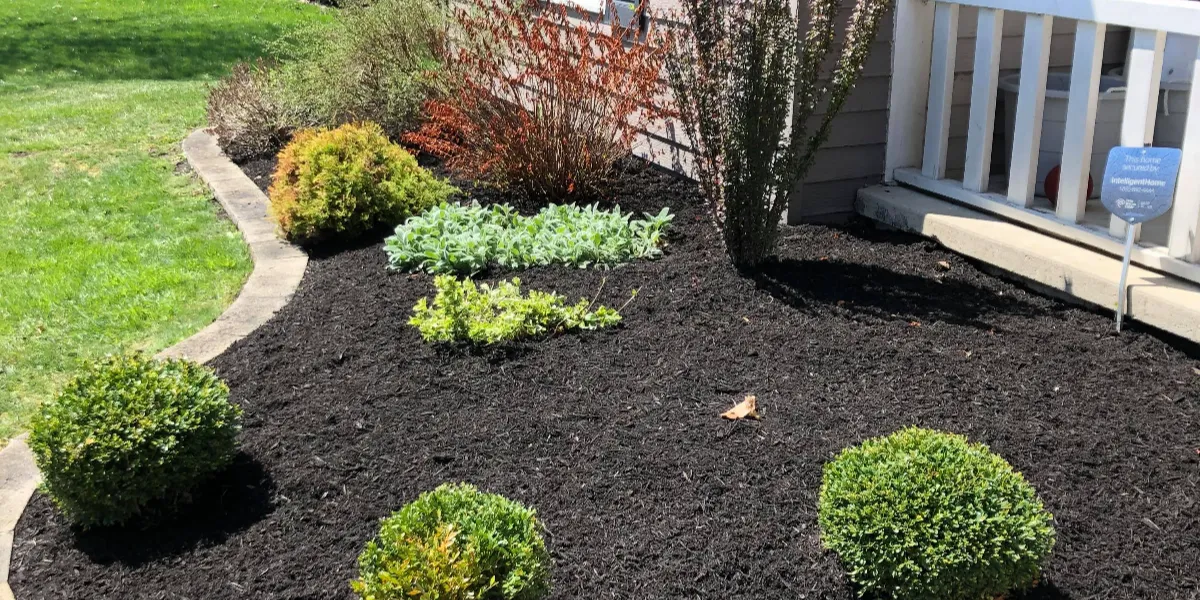
A front yard in Buffalo might not look terrible, but it often doesn’t feel finished either. Across Amherst, Clarence, Orchard Park, Williamsville, and Cheektowaga, we see the same pattern. Homeowners add a few plants, refresh the mulch, maybe clean up the edges, but the space still doesn’t come together the way they expected.
That’s because most front yard updates happen in pieces instead of following a clear plan. Over time, that leads to uneven layouts, inconsistent spacing, and a yard that feels like a work in progress no matter how much is done.
If you want a front yard that actually looks clean, intentional, and adds curb appeal, it comes down to structure, layout, and choosing the right upgrades, not just adding more material.
In this guide, we’ll break down what makes a front yard look finished, the most common mistakes we see on Buffalo-area properties, and how to approach improvements the right way.
What Makes a Front Yard Look Finished (And Not Pieced Together)
The difference between a yard that looks “fine” and one that stands out usually isn’t budget, it’s how the space is organized.
A finished front yard has a few key elements working together:
-
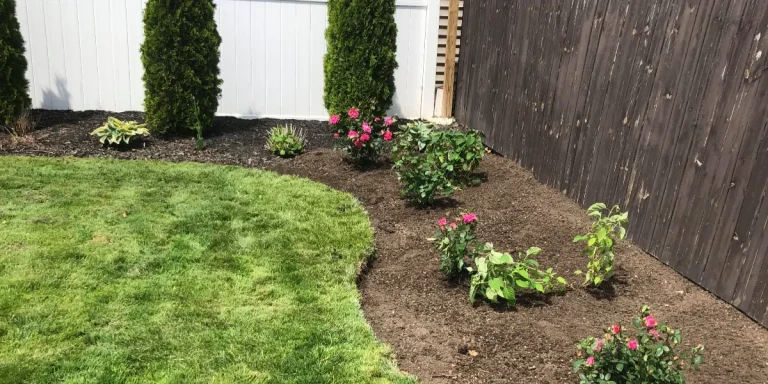
- Defined bed lines that clearly separate lawn and landscaping
- Layered planting that creates depth and balance
- A focal point that anchors the design
- Consistent materials that tie everything together
Without these, even newer landscaping can feel temporary. With them, even a simple yard in places like Lancaster or West Seneca can look intentional and well put together.
Most of the time, it’s not about doing more, it’s about organizing what’s already there properly.
Defined Bed Lines and Clean Edges Make the Biggest Difference
One of the fastest ways to improve curb appeal is to define your planting areas properly.
In many Buffalo front yards, the transition between grass and landscaping is unclear. Mulch fades into the lawn, edges are inconsistent, and the whole space feels unfinished from the street.
Creating clean bed lines solves that immediately.
We typically define beds using:
-
- Natural cut edges for a clean, simple look
- Steel or plastic edging for durability
- Stone or paver borders for a more structured finish
Once those edges are in place, everything else, plants, mulch, and layout, looks more intentional. This is often the first step in garden bed improvements and one of the highest impact changes you can make.
Planting Layout Is What Creates Depth and Balance
A common issue we see across Amherst, Clarence, and Orchard Park is planting everything at the same height.
This makes the yard feel flat, even when the plants themselves are healthy and well maintained.
A properly designed layout builds depth into the space by layering:
-
- Taller shrubs or structural plants near the home
- Mid-sized plants through the center of the beds
- Lower plants or ground cover along the front edge
This creates a natural progression that draws the eye and gives the yard a finished look.
Just as important is spacing. Plants should be installed based on how they will grow over time, not how they look the day they go in. This prevents overcrowding, which is one of the biggest long-term issues we see.
Every Front Yard Needs a Focal Point
Without a focal point, a front yard can feel scattered, especially on larger properties in areas like Orchard Park or Clarence.
A focal point gives the design direction and helps everything else fall into place.
That might be:
-
- A small ornamental tree
- A defined entry walkway leading to the front door
- A central planting area that stands out from the rest
In many cases, we tie this into walkway installation or entry features so the yard not only looks better, but also feels more functional.
Without a focal point, even good landscaping can feel incomplete.
The Most Common Front Yard Landscaping Mistakes We See
Most homeowners don’t make bad decisions, they just improve the yard without a full plan.
Across Buffalo and surrounding areas, we regularly see:
-
- Plants added over time without consistent spacing or layout
- No defined bed lines, causing landscaping to blend into the lawn
- Trying to fix issues by adding more mulch or more plants
- Ignoring how plants will grow and fill in over time
This is especially common in older neighborhoods where landscaping has been updated in stages.
The result is usually a yard that feels crowded, uneven, and harder to maintain every season.
Why Adding More Plants Doesn’t Fix the Problem
One of the biggest misconceptions is that adding more plants will make the yard look better.
In reality, if the layout isn’t right, adding more just makes things harder to manage.
-
- Overcrowded beds lead to constant pruning
- Plants compete for space and struggle to grow properly
- The yard starts to look messy instead of full
We often end up removing plants that were added recently because they were installed without a clear plan.
Fixing the structure first, then building the layout around it, always produces a better result.
When a Simple Upgrade Is Enough
Not every front yard needs a full redesign.
If the layout already works, a controlled upgrade can make a noticeable difference.
This might include:
-
- Reshaping beds and improving layout
- Installing fresh mulch
- Replacing outdated or overgrown plants
This approach is common in Williamsville and parts of Amherst where the structure is already there, it just needs to be refined.
When done properly, even a refresh can make the yard look complete.
When It Makes More Sense to Redesign the Entire Front Yard
In some cases, the issue isn’t the plants, it’s the layout itself.
If the yard feels off, it usually comes down to structure.
-
- No clear flow from driveway to front entry
- Random or inconsistent bed placement
- Drainage issues affecting certain areas
In these situations, rebuilding the space allows everything to be planned properly from the start.
This is also when homeowners begin incorporating structural features like retaining walls or defined transitions to create a more finished look.
Starting fresh removes the limitations of the existing layout.
Planning the Project Before You Start
The biggest difference between a finished yard and one that never quite comes together is having a plan before any work begins.
That includes understanding:
-
- How the layout will function long term
- How plants will grow and fill in
- What materials will be used and where
Our Landscape Pricing Guide and visualizer help homeowners across Buffalo explore layout options and understand investment ranges before committing.
Planning upfront avoids wasted time, unnecessary costs, and having to redo sections later.
Why choose Buffalo Landscaping
Getting a front yard to look finished isn’t about adding more plants, it’s about getting the layout, spacing, and structure right from the start.
At Buffalo Landscaping, we don’t just install landscaping, we evaluate what’s currently there and build a plan that actually works long term in Western New York conditions.
-
- Licensed and insured contractor handling both landscaping and structural outdoor work
- Experience with local soil conditions, drainage issues, and freeze thaw impact
- Focus on proper layout, plant spacing, and long term growth planning
- Clear guidance using our Landscape Pricing Guide and visualizer
The goal is simple, build it properly once so your front yard looks finished and stays that way.
Serving Buffalo and surrounding communities
Buffalo Landscaping proudly provides landscaping services throughout:
-
- Buffalo
- Amherst
- Clarence
- Orchard Park
- Williamsville
- Cheektowaga
- Lancaster
- Tonawanda
- West Seneca
We understand what works, and what doesn’t, for front yards in Western New York.
Get a Front Yard Plan That Actually Works
If your front yard still feels unfinished, the issue usually isn’t the materials, it’s the layout behind them.
At Buffalo Landscaping, we work with homeowners across Buffalo, Amherst, Clarence, Orchard Park, and surrounding areas to evaluate existing conditions and build a plan that actually works long term.
Whether you need a simple upgrade or a full redesign, the first step is understanding what the space actually needs.
Request an estimate today and get a clear plan for your front yard.